

The glitz and glamour of the arts and entertainment industry often overshadow the harsh realities many artists face. While audiences see the final product—a compelling performance, a breathtaking piece of art, or an award-winning film—what remains hidden is the emotional turmoil, financial instability, and intense competition that characterise this field.
The Hidden Struggles: Financial Instability and Rejection
Artists and entertainers frequently grapple with financial instability. In the United States, nearly 60% of artists are self-employed, leading to challenges like inconsistent income and a lack of job security. This statistic reflects similar trends worldwide, including in countries like Australia and the UK.
In Australia, around 65% of artists identify as self-employed, facing similar financial instability and uncertainty. The "Making Art Work" report highlights that the average income for professional artists is significantly lower than the national average, contributing to financial challenges and stress in their careers (Creative Australia) (Australian Bureau of Statistics).
In the UK, the situation is comparable, with a significant portion of artists and creative professionals working as freelancers or self-employed. This employment model leads to financial instability and often lacks the benefits and security associated with traditional employment (Creative Australia).
These statistics underscore the precarious nature of careers in the arts and entertainment sector. Artists frequently deal with financial instability, rejection, and intense competition. The emotional toll can be significant, as the constant pressure to succeed and the high rate of rejection can lead to mental health challenges.
For every role or opportunity secured, there are often dozens, if not hundreds, of rejections. This cycle can take a severe toll on mental health.
Emotional Challenges and Competition
The emotional challenges in the arts and entertainment sector are profound. A study by the University of Sydney found that actors are twice as likely to experience depression compared to the general population. The constant need to compete for roles and recognition can lead to anxiety, stress, and feelings of inadequacy. Additionally, the pressure to maintain a public persona often forces individuals to suppress their true emotions, further exacerbating mental health issues.
Statistics on Mental Health in the Arts
According to Help Musicians UK, 71% of musicians have experienced anxiety and panic attacks.
A survey by Actors Equity Association revealed that 63% of actors reported moderate to severe anxiety levels.
The British Journal of Psychiatry published a study indicating that professional dancers are three times more likely to suffer from eating disorders than the general population.
The Imperfectly Perfect Campaign: Making a Difference
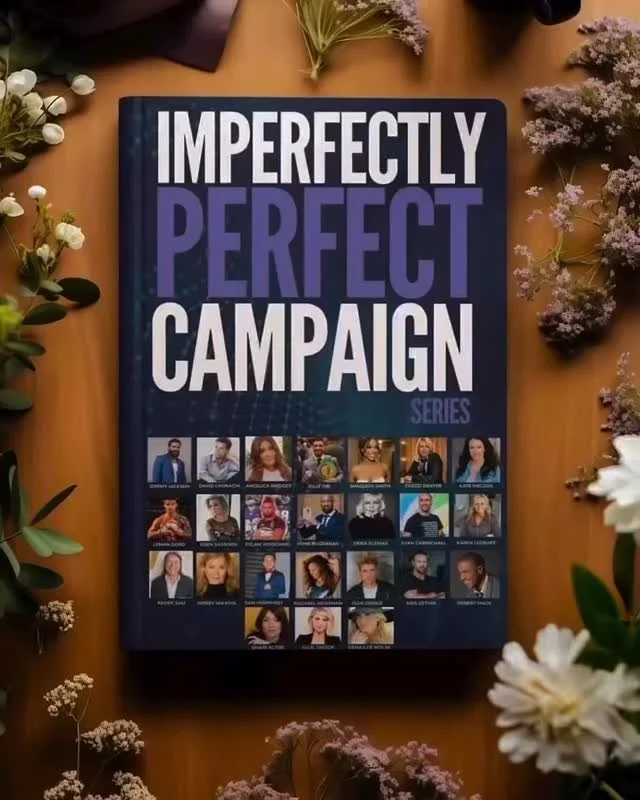
The Imperfectly Perfect Campaign is continually making significant strides in addressing mental health issues across many sectors with our speakers including within the arts and entertainment sector.
Founded by Glenn Marsden, the Imperfectly Perfect Campaign has garnered the support of over 500 public figures, including celebrity ambassadors and speakers who openly discuss their mental health struggles. This campaign aims to challenge the narrative around mental health, promoting a message of acceptance and support.
IPC has not only raised awareness but has also provided a platform for artists to share their stories and connect with others facing similar challenges. By fostering a community of understanding and empathy, IPC is helping to reduce the stigma associated with mental health issues in the arts.
Join the Conversation
If you are part of an organisation in the arts and entertainment industry and want to bring this important conversation to your team and students, consider inviting Glenn Marsden and our celebrity speakers to share their insights and experiences. Our sessions can provide valuable support and practical strategies for managing mental health in such a demanding field.
To find out more and receive an information pack, simply email us today at generalenquiries@imperfectlyperfectcampaign.org
Together, we can continue to make waves in addressing mental health in the arts and entertainment sector, ensuring that no one has to struggle in silence.